

The Hammer for Delusion (Mohamudgara).
मोहमुद्गर — मोह फोडणारा घण.
मोहमुद्गर — मोह को तोड़ने वाला हथौड़ा।
Heading as printed in W1, p. 62 (leaf n73), under ॥ श्री ॥ (shown in the scan without a visarga). W2 prints these verses as two hymns, द्वादशपंजरिकास्तोत्रम् (no. 159, p. 331) and चर्पटपंजरिकास्तोत्रम् (no. 160, p. 332).
Worship Govinda, worship Govinda, worship Govinda, O you of deluded mind. When the time of death has come and stands near, the grammar rule 'ḍukṛñ karaṇe' will not save you, it will not.
हे मूढबुद्धी माणसा, गोविंदाला भज, गोविंदाला भज, गोविंदाला भज. मृत्यूची वेळ येऊन जवळ उभी राहील तेव्हा 'डुकृञ् करणे' हे व्याकरणसूत्र तुला वाचवणार नाही, मुळीच नाही.
हे मूढ़ बुद्धि वाले, गोविन्द को भजो, गोविन्द को भजो, गोविन्द को भजो। जब मृत्यु का समय आकर पास खड़ा होगा, तब 'डुकृञ् करणे' यह व्याकरण-सूत्र तुम्हें नहीं बचाएगा, कभी नहीं।
'ḍukṛñ karaṇe' is the entry for the root kṛ ('to do') in the Pāṇinian list of verb roots: learning it by heart is the picture of study that does not touch the heart. In the carrier this is numbered verse 1, with no refrain sign; in singing it is repeated as the refrain. The scan shows सप्राप्ते सनिहिते; the anusvāra dots are lost in this scan (see textStatus), so we print संप्राप्ते संनिहिते. W1 p. 62 (leaf n73). W2: Carpaṭapañjarikā v. refrain (ध्रुवपदम्, after v. 1), p. 332.
O fool, give up the thirst to pile up wealth. Bring into your mind a sound understanding, free of craving. Whatever wealth comes to you through your own work, be content with that.
हे मूढा, धन जमवण्याची तहान सोडून दे. मनात तृष्णारहित चांगली समज जागव. स्वतःच्या कर्माने जे धन मिळेल त्यातच मन समाधानी ठेव.
हे मूढ़, धन बटोरने की प्यास छोड़ दो। मन में तृष्णा से रहित अच्छी समझ जगाओ। अपने कर्म से जो धन मिले, उसी से मन को सन्तुष्ट रखो।
W1 p. 62 (leaf n73). W2: Dvādaśapañjarikā v. 1, p. 331.
Seeing a woman's full breasts and navel, do not fall into the grip of infatuation. That is only a form of flesh, fat and the like: think this over in your mind again and again.
स्त्रीचे भरलेले स्तन आणि नाभी पाहून मोहाच्या आवेशात पडू नकोस. हे केवळ मांस, चरबी इत्यादींचे रूप आहे — याचा मनात वारंवार विचार कर.
स्त्री के भरे स्तन और नाभि को देखकर मोह के आवेश में मत पड़ो। यह तो केवल मांस, वसा आदि का रूप है — यह बात मन में बार-बार सोचो।
The scan shows मनसि विचिन्तय वार वारम्; the anusvāra is lost in the scan. W1 p. 62 (leaf n73). W2: Carpaṭapañjarikā v. 11, p. 333.
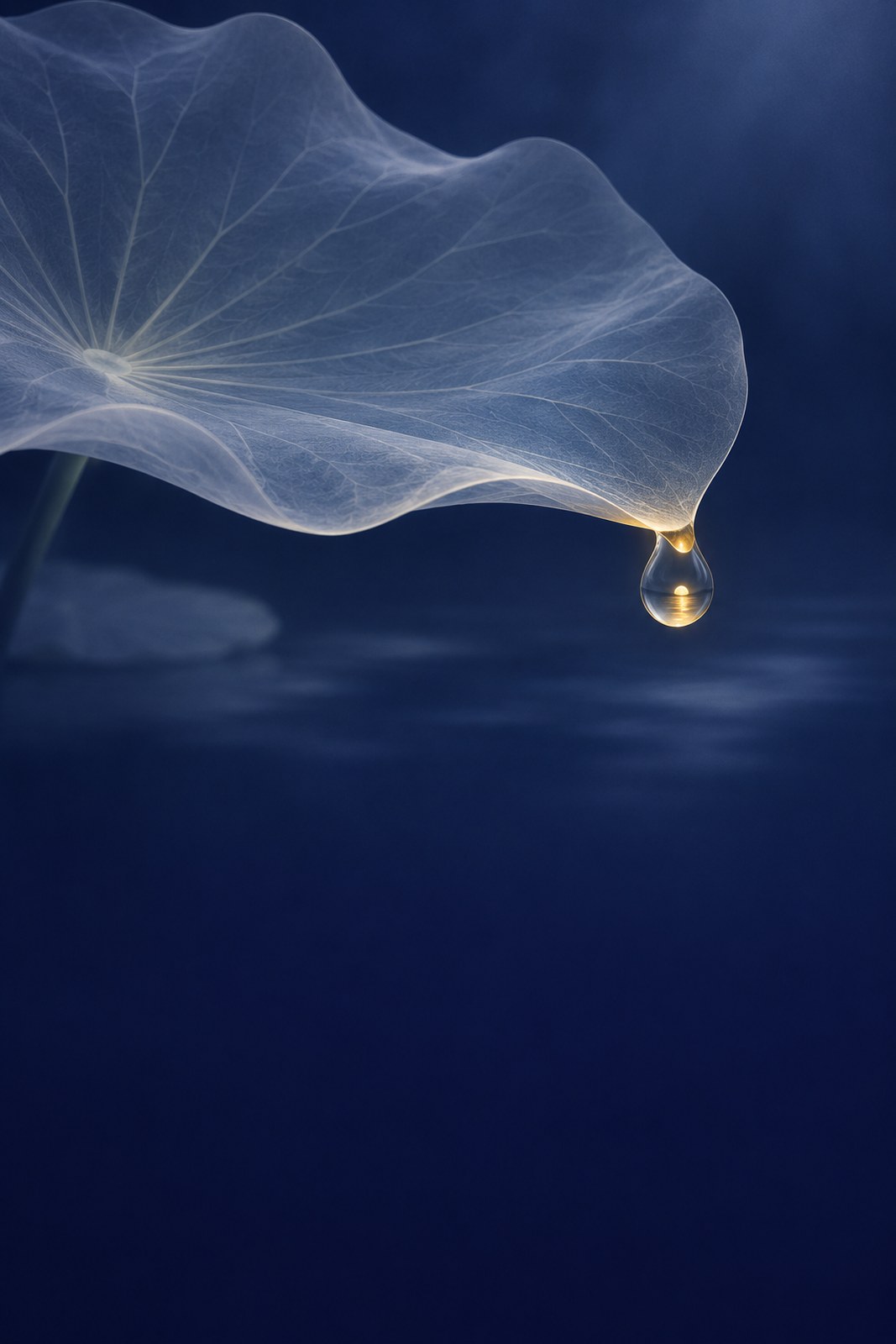
Life is as unsteady as a drop of water on a lotus leaf, very fickle indeed. Know that the whole world is gripped by disease and pride, and struck down by grief.
कमळाच्या पानावरचा पाण्याचा थेंब जसा डळमळतो, तसेच जीवन अत्यंत चंचल आहे. हे जाण की सारे जग रोग आणि अहंकाराने ग्रासलेले आणि शोकाने पीडलेले आहे.
कमल के पत्ते पर पड़ी जल की बूँद जैसे डगमगाती है, वैसे ही जीवन अत्यन्त चंचल है। जानो कि यह सारा जगत रोग और अहंकार से ग्रस्त और शोक से पीड़ित है।
W1 p. 63 (leaf n74). W2: Dvādaśapañjarikā v. 10, p. 332.
As long as a man is busy earning money, his family is fond of him. Later, when he lives on in a worn-out body, no one at home even asks him how he is.
जोपर्यंत माणूस धन कमावण्यात गुंतलेला असतो, तोपर्यंत कुटुंब त्याच्यावर प्रेम करते. नंतर तो जीर्ण शरीराने जगू लागला की घरात कोणीही त्याची साधी विचारपूसही करत नाही.
जब तक मनुष्य धन कमाने में लगा रहता है, तब तक उसका परिवार उससे स्नेह रखता है। फिर जब वह जर्जर शरीर लेकर जीता है, तब घर में कोई उससे बात तक नहीं पूछता।
The print breaks the line inside the sandhi सक्तस्तावत्; we keep its line division. W1 p. 63 (leaf n74). W2: Carpaṭapañjarikā v. 3, p. 332–333.
As long as breath dwells in the body, people at home ask after his health. When the breath has gone and the body has fallen, even his wife is afraid of that same body.
जोपर्यंत शरीरात प्राण असतो तोपर्यंत घरचे क्षेमकुशल विचारतात. प्राण निघून गेला आणि शरीर पडले की पत्नीसुद्धा त्याच शरीराला घाबरते.
जब तक शरीर में प्राण रहते हैं, तब तक घर के लोग कुशल पूछते हैं। प्राण निकल जाने और शरीर गिर जाने पर पत्नी भी उसी शरीर से डरती है।
बिभ्यति is printed so in both prints (a popular form; strict grammar would give बिभेति). W1 p. 63 (leaf n74). W2: Carpaṭapañjarikā v. 14, p. 334.
As a child one is absorbed in play, as a youth in young women, as an old man in worry; but no one is absorbed in the highest Brahman.
बालपण खेळात जाते, तारुण्य तरुणींच्या मागे, म्हातारपण चिंतेत; पण परब्रह्मात कोणीच मन रमवत नाही.
बचपन खेल में बीतता है, यौवन युवतियों के पीछे, बुढ़ापा चिन्ता में; पर परम ब्रह्म में कोई भी मन नहीं लगाता।
The print breaks the line inside the sandhi सक्तस्तरुणः; we keep its line division. W1 p. 63 (leaf n74). W2: Carpaṭapañjarikā v. 7, p. 333.
Who is your wife, who is your son? This round of births is very strange. Whose are you, who are you, where have you come from? Think on the truth of this, O deluded one.
कोण तुझी पत्नी, कोण तुझा मुलगा? हा संसार मोठा विचित्र आहे. तू कोणाचा, तू कोण, कोठून आलास? हे भ्रमलेल्या माणसा, या सत्याचा विचार कर.
कौन तुम्हारी पत्नी है, कौन तुम्हारा पुत्र? यह संसार बड़ा विचित्र है। तुम किसके हो, कौन हो, कहाँ से आए हो? हे भ्रमित मनुष्य, इस सत्य पर विचार करो।
The print breaks the line inside the sandhi आयातस्तत्त्वं; we keep its line division. W1 p. 64 (leaf n75). W2: Dvādaśapañjarikā v. 3, p. 331.
From the company of good people comes freedom from attachment; from freedom from attachment, freedom from delusion; from freedom from delusion, an unwavering mind; and from an unwavering mind, freedom while still alive.
सज्जनांच्या संगतीतून अनासक्ती येते, अनासक्तीतून मोह सुटतो, मोह सुटल्याने मन अढळ होते, आणि अढळ मनातून जिवंतपणीच मुक्ती मिळते.
सज्जनों के संग से अनासक्ति आती है, अनासक्ति से मोह छूटता है, मोह छूटने से मन अटल होता है, और अटल मन से जीते-जी मुक्ति मिलती है।
Not in W2: the marks lost in the scan (visarga of निःसङ्गत्वं, the e-stroke of निःसङ्गत्वे and निश्चलितत्वे, and the व्न् of जीवन्मुक्तिः, which the scan shows as a broken जी र मुक्ति) are restored by grammar only.
The print reads निश्चलितत्वं (many modern books print निश्चलतत्त्वं). W1 p. 64 (leaf n75). Not in W2 (neither of its two hymns has this verse).
When youth is gone, where is the stir of desire? When the water has dried up, where is the lake? When the wealth is spent, where is the crowd of family? When the truth is known, where is the round of births?
तारुण्य सरल्यावर कामविकार कुठला? पाणी आटल्यावर तलाव कुठला? धन संपल्यावर भोवतीचा परिवार कुठला? आणि तत्त्व जाणल्यावर संसार कुठला?
यौवन बीत जाने पर काम-विकार कहाँ? पानी सूख जाने पर तालाब कहाँ? धन चुक जाने पर परिवार की भीड़ कहाँ? और तत्त्व जान लेने पर संसार कहाँ?
The scan shows कामात्रकार for कामविकार (the strokes of वि are lost). W1 p. 64 (leaf n75). W2: Carpaṭapañjarikā v. 10, p. 333.
Do not be proud of wealth, people or youth: time takes it all away in the blink of an eye. Leave behind all this, which is made of illusion, come to know the state of Brahman and enter it.
धन, माणसे आणि तारुण्य यांचा गर्व करू नकोस; काळ क्षणात सर्व हिरावून घेतो. हे सारे मायामय सोडून, ब्रह्मपद जाणून त्यात प्रवेश कर.
धन, जन और यौवन का घमण्ड मत करो; काल पल भर में सब छीन लेता है। माया से बने इस सबको छोड़कर, ब्रह्म-पद को जानकर उसमें प्रवेश करो।
W1 p. 64 (leaf n75). W2: Dvādaśapañjarikā v. 4, p. 331.
Day and night, evening and morning, winter and spring come round again and again. Time plays, life runs out, and still the wind of hope does not let go.
दिवस आणि रात्र, सकाळ आणि संध्याकाळ, शिशिर आणि वसंत पुन्हा पुन्हा येतात. काळ खेळतो, आयुष्य सरते, तरीही आशेचा वारा पाठ सोडत नाही.
दिन और रात, सुबह और शाम, शिशिर और वसन्त बार-बार लौटते हैं। काल खेलता है, आयु बीतती जाती है, फिर भी आशा की वायु पीछा नहीं छोड़ती।
The print breaks the line inside the sandhi गच्छत्यायुस्तदपि; we keep its line division. पुनरायातः (singular) is printed so in both prints. W1 p. 65 (leaf n76). W2: Carpaṭapañjarikā v. 1, p. 332.
Why worry about wife and wealth, you crazed one? Is there no one who rules over you? In the three worlds, only the company of good people becomes a boat to cross the sea of worldly life.
हे वेड्या, पत्नी आणि धनाची चिंता कशाला? तुझा कोणी नियंता नाही का? तिन्ही लोकांत केवळ सज्जनांची संगतच संसारसागर तरून नेणारी नाव आहे.
हे बावले, पत्नी और धन की चिन्ता क्यों करते हो? क्या तुम्हारा कोई नियन्ता नहीं है? तीनों लोकों में केवल सज्जनों की संगति ही संसार-सागर पार कराने वाली नाव है।
The second half is not in W2: the anusvāra of संगतिरेका (scan सगतिरेका) is restored by grammar only.
W1 p. 65 (leaf n76). W2: Dvādaśapañjarikā v. 11 (first half only), p. 332.
One wears matted locks, one shaves his head, one plucks out his hair, one puts on ochre robes and many other guises. The fool sees and yet does not see: he puts on all these guises only for his belly.
कोणी जटा वाढवतो, कोणी डोके मुंडतो, कोणी केस उपटतो, कोणी भगवी वस्त्रे घालून अनेक वेष घेतो. मूढ पाहूनही पाहत नाही; हे सारे वेष तो केवळ पोटासाठी घेतो.
कोई जटा रखता है, कोई सिर मुँडाता है, कोई बाल नुचवाता है, कोई गेरुआ वस्त्र पहनकर भाँति-भाँति के वेश बनाता है। मूढ़ देखकर भी नहीं देखता; यह सारा वेश वह केवल पेट के लिए बनाता है।
The scan shows जटिली for जटिलो (the o-stroke is lost). W1 p. 65 (leaf n76). W2: Carpaṭapañjarikā v. 4, p. 333.
The body has grown weak, the head has turned grey, the mouth has lost its teeth. The old man walks leaning on a stick, and still he does not let go of his bundle of hopes.
शरीर शिथिल झाले, केस पांढरे झाले, तोंडात दात उरले नाहीत. म्हातारा काठी धरून चालतो, तरीही आशांचे गाठोडे सोडत नाही.
शरीर शिथिल हो गया, सिर के बाल पक गए, मुँह में दाँत नहीं रहे। बूढ़ा लाठी पकड़कर चलता है, फिर भी आशाओं की गठरी नहीं छोड़ता।
W1 p. 65 (leaf n76). W2: Carpaṭapañjarikā v. 6, p. 333.
A fire in front, the sun on his back; at night he sits with knees drawn up to his chin. He takes alms in his palm and lives under trees, and still the noose of hope does not let him go.
समोर अग्नी, पाठीवर ऊन; रात्री गुडघे हनुवटीला टेकवून बसतो. तळहातावर भिक्षा घेतो, झाडाखाली राहतो, तरीही आशेचा पाश त्याला सोडत नाही.
सामने आग, पीठ पर धूप; रात को घुटने ठोड़ी से सटाकर बैठता है। हथेली में भिक्षा लेता है, पेड़ के नीचे रहता है, फिर भी आशा का फन्दा उसे नहीं छोड़ता।
The print breaks the line inside the sandhi तरुतलवासस्तदपि; we keep its line division. W1 p. 66 (leaf n77). W2: Carpaṭapañjarikā v. 2, p. 332.
One may travel to where the Gaṅgā meets the sea, keep vows, or give gifts; but without knowledge, all teachers agree, he does not reach liberation even in a hundred births.
कोणी गंगासागराची यात्रा करो, व्रते पाळो किंवा दान देवो; पण ज्ञानाशिवाय, सर्व आचार्यांच्या मते, शंभर जन्मांतही त्याला मुक्ती मिळत नाही.
कोई गंगासागर की यात्रा करे, व्रत रखे या दान दे; पर ज्ञान के बिना, सब आचार्यों के मत से, सौ जन्मों में भी मुक्ति नहीं पाता।
W1 p. 66 (leaf n77). W2: Carpaṭapañjarikā v. 17, p. 334.
Living in a temple or under a tree, the ground for a bed and a deerskin for clothing, giving up all possessions and pleasures: to whom does such dispassion not bring happiness?
देवळात किंवा झाडाखाली राहणे, भूमीवर झोपणे, मृगाजिन पांघरणे, सर्व संग्रह आणि भोग सोडणे — असे वैराग्य कोणाला सुख देत नाही?
मन्दिर में या पेड़ के नीचे रहना, धरती पर सोना, मृगचर्म ओढ़ना, सब संग्रह और भोग छोड़ देना — ऐसा वैराग्य किसे सुख नहीं देता?
अजिनं वासः: the deerskin is the clothing; शय्या भूतलम्: the ground is the bed. W1 p. 66 (leaf n77). W2: Dvādaśapañjarikā v. 6, p. 331.
Whether given to yoga or to pleasure, whether among people or alone: the one whose mind delights in Brahman is happy, happy, truly happy.
कोणी योगात रमलेला असो वा भोगात, लोकांत असो वा एकटा — ज्याचे मन ब्रह्मात रमते तोच आनंदी, आनंदी, खरोखर आनंदी असतो.
कोई योग में रमा हो या भोग में, लोगों के बीच हो या अकेला — जिसका मन ब्रह्म में रमता है, वही आनन्दित है, आनन्दित है, सचमुच आनन्दित है।
Not in W2: the anusvāras of संगरतो, संगविहीनः and चित्तं, and the visarga of संगविहीनः, are lost in the scan and restored by grammar only.
W1 p. 66 (leaf n77). Not in W2 (neither of its two hymns has this verse).
Whoever has read even a little of the Bhagavad Gītā, drunk even a drop of Gaṅgā water, and worshipped Murāri even once, with him Yama, the lord of death, has no quarrel.
ज्याने भगवद्गीता थोडीशी जरी वाचली, गंगाजलाचा एक थेंब जरी प्यायला, आणि एकदा जरी मुरारीची पूजा केली, त्याच्याशी यमाचा काही वाद उरत नाही.
जिसने भगवद्गीता थोड़ी-सी भी पढ़ी, गंगाजल की एक बूँद भी पी, और एक बार भी मुरारि की पूजा की, उससे यमराज का कोई विवाद नहीं होता।
W1 p. 67 (leaf n78). W2: Carpaṭapañjarikā v. 5, p. 333.
Birth again, death again, and again lying in a mother's womb. In this boundless round of births, so very hard to cross, protect me by your grace, O Murāri.
पुन्हा जन्म, पुन्हा मरण, पुन्हा आईच्या उदरात पडून राहणे. तरून जाण्यास कठीण अशा या अपार संसारात, हे मुरारी, कृपा करून माझे रक्षण कर.
फिर जन्म, फिर मरण, फिर माता के गर्भ में पड़े रहना। इस अपार और कठिनाई से पार होने वाले संसार में, हे मुरारि, कृपा करके मेरी रक्षा कीजिए।
W1 p. 67 (leaf n78). W2: Carpaṭapañjarikā v. 8, p. 333.
His cloak is patched from rags picked off the street; his path lies beyond merit and sin. The yogi, his mind fixed in yoga, delights, just like a child or one who is mad.
त्याची गोधडी रस्त्यावरच्या चिंध्यांनी शिवलेली आहे; त्याची वाट पुण्य-पापाच्या पलीकडे आहे. योगात मन स्थिर केलेला तो योगी लहान मुलासारखा किंवा वेड्यासारखा आनंदात राहतो.
उसकी गुदड़ी गली के चीथड़ों से बनी है; उसका मार्ग पुण्य और पाप से परे है। योग में मन लगाए वह योगी बच्चे या उन्मत्त की भाँति आनन्द में रहता है।
The second half is not in W2: the visarga-to-o sandhi and other marks in it are read from the scan with grammar only.
W1 p. 67 (leaf n78). W2: Carpaṭapañjarikā v. 16 (first half only), p. 334.
Who are you? Who am I? Where have I come from? Who is my mother, who is my father? Reflect on it like this: see that it is all without substance, and set the world aside as a dream.
तू कोण? मी कोण? कोठून आलो? माझी आई कोण, माझे वडील कोण? असा खोलवर विचार कर: हे सर्व निःसार आहे; जगाला स्वप्न मानून बाजूला ठेव.
तुम कौन हो? मैं कौन हूँ? कहाँ से आया हूँ? मेरी माता कौन, मेरा पिता कौन? इस प्रकार गहराई से सोचो: यह सब निःसार है; जगत को सपना समझकर छोड़ दो।
W1 p. 67 (leaf n78). W2: Carpaṭapañjarikā v. 12, p. 333–334.
In you, in me and everywhere else there is the one Viṣṇu. In vain you lose patience and grow angry with me. See the Self in everything, and give up everywhere the ignorance that sees difference.
तुझ्यात, माझ्यात आणि इतर सर्वांत एकच विष्णू आहे. तू उगाच माझ्यावर असहिष्णु होऊन रागावतोस. सर्वांत आत्मा पाहा आणि सर्वत्र भेदाचे अज्ञान सोडून दे.
तुममें, मुझमें और अन्य सबमें एक ही विष्णु हैं। तुम व्यर्थ ही मुझ पर असहिष्णु होकर क्रोध करते हो। सबमें आत्मा को देखो और सर्वत्र भेद-बुद्धि का अज्ञान छोड़ दो।
The print breaks the line inside the sandhi विष्णुर्व्यर्थं; we keep its line division. W1 p. 68 (leaf n79). W2: Dvādaśapañjarikā v. 8, p. 331–332.
With enemy or friend, son or relative, do not strive to quarrel or to make alliances. Be even-minded everywhere, if you wish to reach the state of Viṣṇu soon.
शत्रू असो वा मित्र, मुलगा असो वा नातेवाईक, कोणाशी भांडण करण्याचा किंवा जुळवून घेण्याचा प्रयत्न करू नकोस. लवकर विष्णुत्व हवे असेल तर सर्वत्र समचित्त हो.
शत्रु हो या मित्र, पुत्र हो या सम्बन्धी, किसी से झगड़ा करने या मेल बिठाने का प्रयत्न मत करो। यदि शीघ्र विष्णुत्व पाना चाहते हो, तो सर्वत्र समान मन वाले बनो।
W1 p. 68 (leaf n79). W2: Dvādaśapañjarikā v. 7, p. 331.
Give up desire, anger, greed and delusion, and meditate on the Self: 'Who am I?' Fools without knowledge of the Self are shut away in hell and burn there.
काम, क्रोध, लोभ आणि मोह सोडून आत्म्याचे चिंतन कर: 'मी कोण?' आत्मज्ञानहीन मूढ नरकात कोंडले जाऊन होरपळत राहतात.
काम, क्रोध, लोभ और मोह को छोड़कर आत्मा का ध्यान करो: 'मैं कौन हूँ?' आत्मज्ञान से रहित मूढ़ लोग नरक में बन्द होकर तपते रहते हैं।
The scan shows काऽहम् for कोऽहम् (the o-stroke is lost). The print breaks the line inside the sandhi मूढास्ते. W1 p. 68 (leaf n79). W2: Dvādaśapañjarikā v. 5, p. 331.
Sing the Gītā and the Thousand Names; meditate always on the form of Lakṣmī's Lord; lead the mind into the company of good people; and give your wealth to those in need.
गीता आणि सहस्रनाम गा, लक्ष्मीपतीच्या रूपाचे सदैव ध्यान कर, मनाला सज्जनांच्या संगतीत ने, आणि दीनजनांना धन दे.
गीता और सहस्रनाम का गान करो, लक्ष्मीपति के रूप का सदा ध्यान करो, मन को सज्जनों के संग में ले जाओ, और दीन-दुखियों को धन दो।
गीतानामसहस्रं is usually read as gītā + nāma-sahasra (the Gītā and the Thousand Names of Viṣṇu). W1 p. 68 (leaf n79). W2: Carpaṭapañjarikā v. 13, p. 334.
People chase the enjoyment of women for pleasure; afterwards, alas, disease comes into the body. Though death is the end of everyone in this world, still one does not give up sinful conduct.
माणसे सुखासाठी स्त्रीभोगात रमतात; नंतर, अरेरे, शरीरात रोग येतो. जगात मृत्यू हाच सर्वांचा शेवटचा आसरा असूनही माणूस पापाचरण सोडत नाही.
लोग सुख के लिए स्त्री-भोग में लगते हैं; पीछे, हाय, शरीर में रोग आ जाता है। यद्यपि जगत में मृत्यु ही सबका अन्तिम ठिकाना है, फिर भी मनुष्य पाप का आचरण नहीं छोड़ता।
W1 p. 69 (leaf n80). W2: Carpaṭapañjarikā v. 15, p. 334.
Always see wealth as a misfortune: truly, there is not a trace of happiness in it. The rich fear even their own sons; this is the way of things everywhere.
धनाला नेहमी अनर्थ समज; खरोखर त्यात सुखाचा लवलेशही नाही. धनवानांना स्वतःच्या मुलाचीही भीती वाटते; सर्वत्र हीच रीत आहे.
धन को सदा अनर्थ समझो; सच में उसमें सुख का अंश भी नहीं है। धनवानों को अपने पुत्र से भी डर लगता है; सर्वत्र यही रीति बनी हुई है।
W1 p. 69 (leaf n80). W2: Dvādaśapañjarikā v. 2, p. 331.
Breath control, drawing in the senses, inquiry that tells the lasting from the passing, and the practice of deep absorption with japa: do these with care, with great care.
प्राणायाम, प्रत्याहार, नित्य-अनित्य विवेकाचा विचार, आणि जपासह समाधीचा अभ्यास — हे सर्व लक्षपूर्वक कर, मोठ्या सावधानतेने कर.
प्राणायाम, प्रत्याहार, नित्य और अनित्य के विवेक का विचार, और जप के साथ समाधि का अभ्यास — ये सब ध्यान से करो, बड़ी सावधानी से करो।
W1 p. 69 (leaf n80). W2: Dvādaśapañjarikā v. 9, p. 332.
Wholly devoted to the lotus feet of the teacher, become free of the round of births soon. By restraining the senses and the mind in this way, you will see the Lord who dwells in your own heart.
गुरूंच्या चरणकमलांचा पूर्ण भक्त होऊन लवकरच संसारातून मुक्त हो. अशा प्रकारे इंद्रिये आणि मन आवरल्याने तू स्वतःच्या हृदयात वसलेल्या देवाला पाहशील.
गुरु के चरण-कमलों के पूर्ण भक्त बनकर शीघ्र ही संसार से मुक्त हो जाओ। इस प्रकार इन्द्रियों और मन के संयम से तुम अपने हृदय में बसे भगवान को देखोगे।
W1 p. 69 (leaf n80). W2: Dvādaśapañjarikā v. 12, p. 332.
पुष्पिका
Thus the Hammer for Delusion is complete.
अशा प्रकारे मोहमुद्गर पूर्ण झाला.
इस प्रकार मोहमुद्गर पूर्ण हुआ।
As printed in W1, p. 69 (leaf n80); the scan shows मोहमुद्गर सपूर्ण with the visargas and anusvāra lost. Unlike the colophon of the hymn just before it in the same volume (भगवन्मानसपूजा, which names श्रीमच्छंकरभगवतः कृतौ), this colophon names no author. W2's colophons read इति श्रीमच्छंकराचार्यविरचितं द्वादशपंजरिकास्तोत्रं संपूर्णम् (p. 332) and इति श्रीमच्छंकराचार्यविरचितं चर्पटपंजरिकास्तोत्रं संपूर्णम् (p. 334).


